Aline Le Bail-Kremer is a journalist, activist and co-founder of the European collective Stand With Ukraine. Her name has been part of the French public debate for several years, driven by her positions on human rights, the memory of victims of terrorism and support for Ukraine.
La Maison des Sultans, a cosmetics brand that draws on Moroccan heritage, represents another facet of this family and entrepreneurial world. Two paths intersect around the same question: how can a dual cultural heritage, Breton and Moroccan, be turned into tangible projects?
Moroccan cultural references in La Maison des Sultans products
Most articles about Aline Le Bail-Kremer focus on her career in journalism or her support for Ukraine. The least documented aspect is how La Maison des Sultans incorporates cultural references directly into its product range and brand strategy.
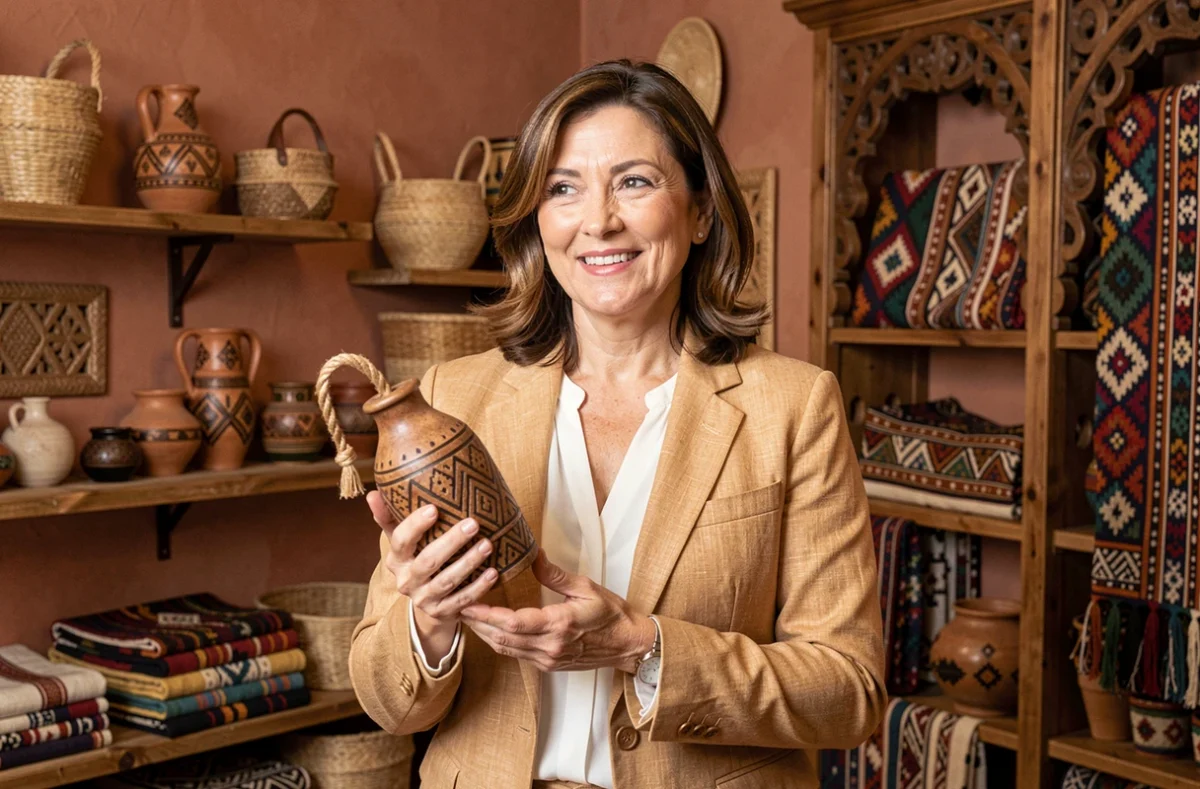
The name itself, “Maison des Sultans”, roots the brand in a distinct North African imaginary. Its palatial vocabulary evokes riads, hammams and beauty rituals passed down from generation to generation in Morocco. This approach goes beyond surface-level storytelling: it shapes the brand’s commercial positioning, from its choice of ingredients to its visual identity.
The story of Aline Le Bail Kremer and La Maison des Sultans sheds light on how a dual family heritage can inform a distinctive brand proposition in a saturated cosmetics market. Her father is Breton and her mother Moroccan: this intersection is no mere footnote; it determines the register in which the brand expresses itself, between North African artisanal traditions and European market conventions.
What the choice of ingredients conveys
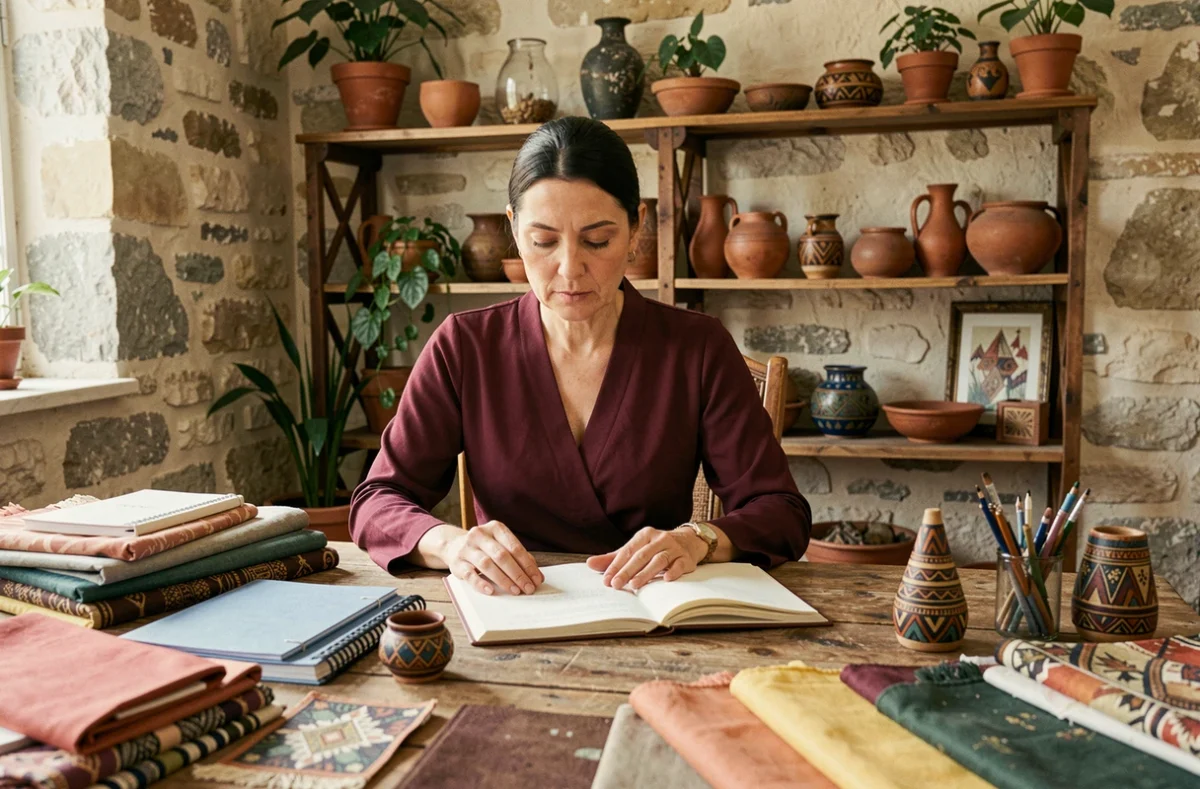
Cosmetics brands that draw on Moroccan heritage typically feature a handful of signature ingredients: argan oil, rose water, ghassoul and black soap. La Maison des Sultans follows this tradition, but what sets it apart is the way these ingredients are presented not as trends, but as family heritage. The project’s autobiographical dimension reinforces the credibility of its cultural roots.
This positioning raises a question that competitors tend to avoid: the line between marketing appropriation and genuine family heritage remains blurred in the “inspired by” cosmetics sector. In the case of La Maison des Sultans, its direct ties to a Moroccan family provide a degree of legitimacy that few other brands in the segment highlight so clearly.
Aline Le Bail-Kremer, journalist and activist: a parallel path
Aline Le Bail-Kremer’s public profile is not limited to cosmetics entrepreneurship. Her career as a journalist has led her to work with La Règle du Jeu, Tyzhden and LCI. Her areas of focus include human rights, the memory of victims of terrorism and, since Russia’s full-scale invasion in 2022, support for Ukraine.
She co-founded the Stand With Ukraine collective, which organizes rallies and support initiatives across Europe. She is also a member of the National Bureau of SOS Racisme and takes part in the activities of the Onze Janvier association, which is dedicated to remembering the January 2015 attacks in France.
This dual commitment to journalism and activism gives her an unusual profile in the French business landscape. Founders of cosmetics brands rarely come from the worlds of engaged journalism and human rights activism. This background inevitably shapes La Maison des Sultans’ communications: the brand does not present itself as a lifestyle label detached from reality.
Ukraine, remembrance and public life
Her commitment to Ukraine has been central since 2022. Her articles in Tyzhden, appearances on RCJ and the activities of the Stand With Ukraine collective demonstrate sustained, well-documented involvement. In February 2026, she published another piece reflecting on four years of Ukrainian resistance.
This common thread, from the victims of terrorism in France to Ukrainian civilians affected by war, reveals a consistent focus: defending vulnerable populations against political violence. This thematic coherence sets Aline Le Bail-Kremer apart from most entrepreneurs in the beauty industry, whose public statements tend to focus solely on their products.
La Maison des Sultans: a brand strategy between Europe and Morocco
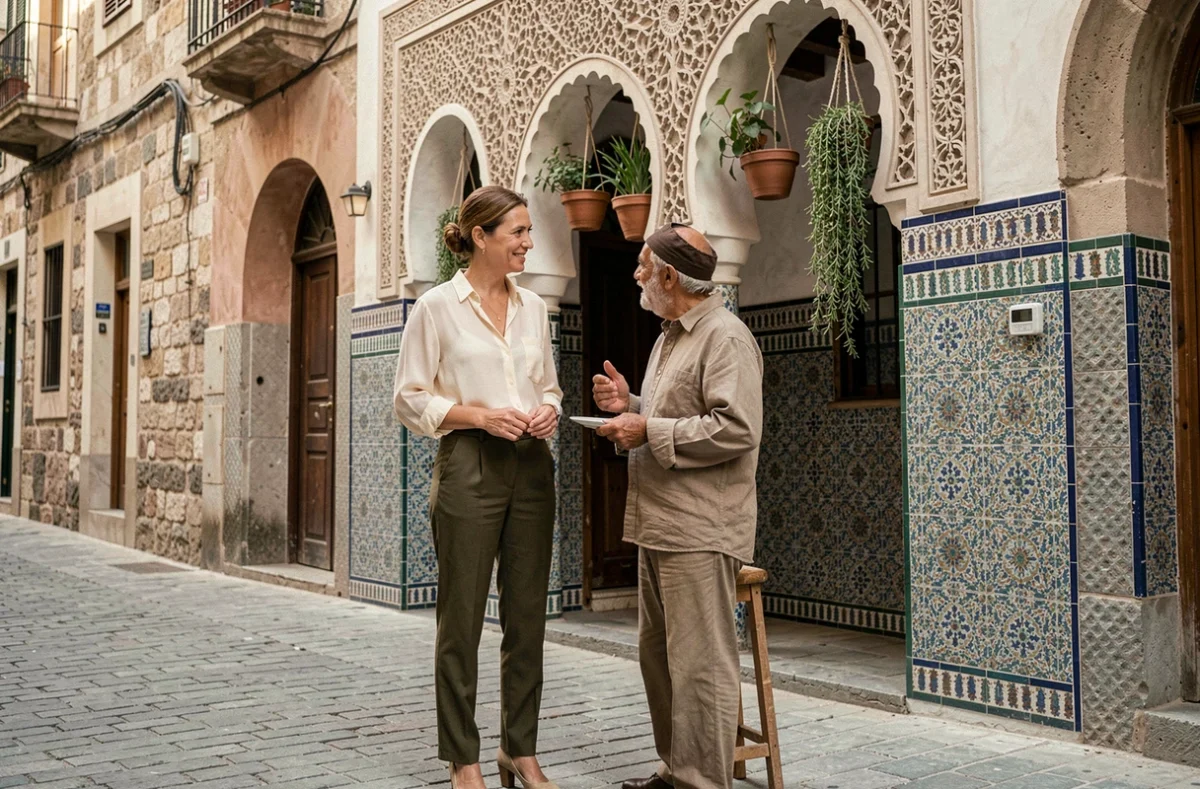
Positioning a cosmetics brand around a specific cultural heritage means navigating several tensions. The first concerns the target audience: European consumers expect familiar conventions (minimalist packaging, certifications, online distribution), while the Moroccan influence calls for specific raw materials and a distinct sensory world.
La Maison des Sultans moves between these two registers. The elements evident in its communications include:
- Vocabulary drawn from hammam rituals and traditional Moroccan beauty treatments, shaping product names and descriptions
- A declared family heritage, with the founder’s personal story serving as proof of authenticity rather than mere promotional storytelling
- A presence in the French market that draws on contemporary e-commerce conventions without abandoning its cultural identity
This combination is not unique in the industry, but its connection to a journalistic and activist background gives it a distinctive tone. The brand sells more than a product: it conveys a message about cultural transmission and family heritage, with a founder whose public life extends far beyond the beauty industry.
The limits of a hybrid positioning
The main area of uncertainty concerns the publicly available information about the brand itself. Data on sales volumes, exact distribution channels and ingredient certifications remains scarce in accessible sources. This relative lack of transparency is not unique to La Maison des Sultans: it is common among many independent cosmetics brands in France.
French public business registers can verify the legal existence of a company, but not assess the substance of its cultural positioning. Credibility therefore rests on the consistency between the brand’s messaging and its founder’s documented background.
Aline Le Bail-Kremer’s story illustrates a rare case: a founder whose public profile stems primarily from journalism and activism, rather than from the industry in which she is building a business. This imbalance can be a point of differentiation, provided the brand continues to document its formulation and sourcing choices with the same rigor that characterizes its creator’s journalistic work.