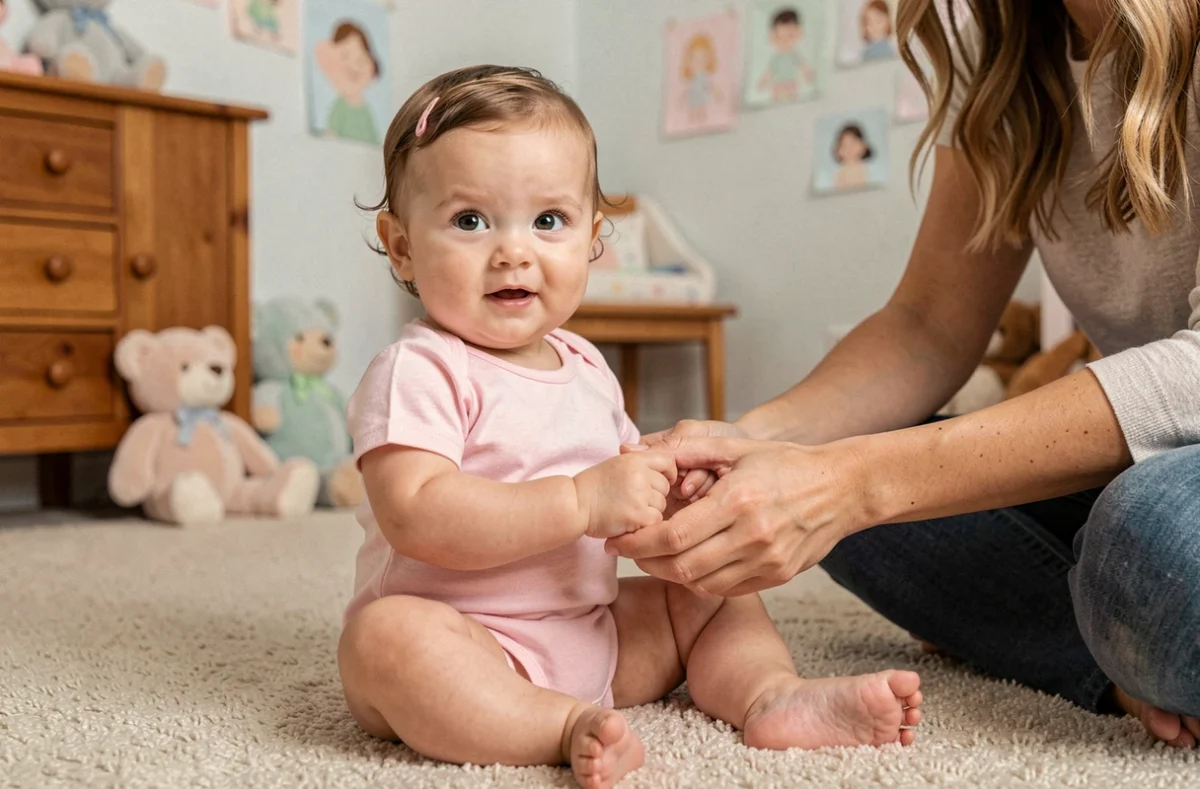
The mystery of infant body temperature, often perplexing for parents, is finally being unraveled. The warmth emanating from your child’s extremities, hands and feet, can cause concern. Due to still immature blood circulation, this phenomenon is perfectly normal. However, if this overheating persists, consult a doctor. To soothe these episodes of warmth, opt for lightweight clothing, a lukewarm bath, and regularly hydrate your baby’s delicate skin. Decoding these bodily signals is essential to ensure the well-being of your precious little one.
Decoding Infant Body Temperature: A Mystery Unveiled
Traditional medical knowledge has long presumed that children generally have a higher body temperature than adults. Yet, this fascinating medical mystery has recently been deciphered thanks to significant advancements in biomedical research.
Babies, in particular, possess an immature thermoregulatory mechanism that can lead to a rapid increase in their body temperature. Researchers have discovered that a molecule called UCP1 is abundantly expressed in the brown adipose tissue of infants. This brown fat • widely present in newborns but decreasing with age • generates heat to help maintain the body’s internal temperature.
This is not only related to the fact that they are wrapped up and often wear multiple layers to stay warm. In reality, they can increase their internal heat production compared to adults when exposed to the cold.
On the other hand, because a child’s immune system is still developing, it does not respond to infections in the same way as an adult. A stronger inflammatory response can cause a rapid and intense increase in body temperature in children • known as fever • which actually serves to fight the infection.
It should also be noted that this perception of a high body temperature in children may be due to our different ways of measuring temperature.
The Mystery of Overheated Extremities: Causes and Explanations
When you notice that your child has overheated extremities, such as hands or feet, it can cause anxiety and confusion. What could cause such a phenomenon? Many factors can explain this situation.
Localized hyperthermia, or an abnormal increase in temperature in a specific area of the body, is often the cause of overheated extremities. This condition can result from intense physical exertion (such as playing or running), a local or systemic infection, or even be due to the autonomic nervous system regulating the body’s temperature.
It is also important to consider environmental factors. A warm and humid environment can increase sweating and thus contribute to heating certain parts of the body. In winter, it may well be that your children simply have too many layers on to stay warm!
However, sometimes this symptom could signal a more serious condition requiring medical advice. For instance, periodic fever associated with recurrent fevers (PFAPA), which primarily affects children aged between 2 and 5 years, as well as the childhood illness known as hand-foot-mouth syndrome, not only causes inflammation but also pain in the extremities that can lead to burning sensations.