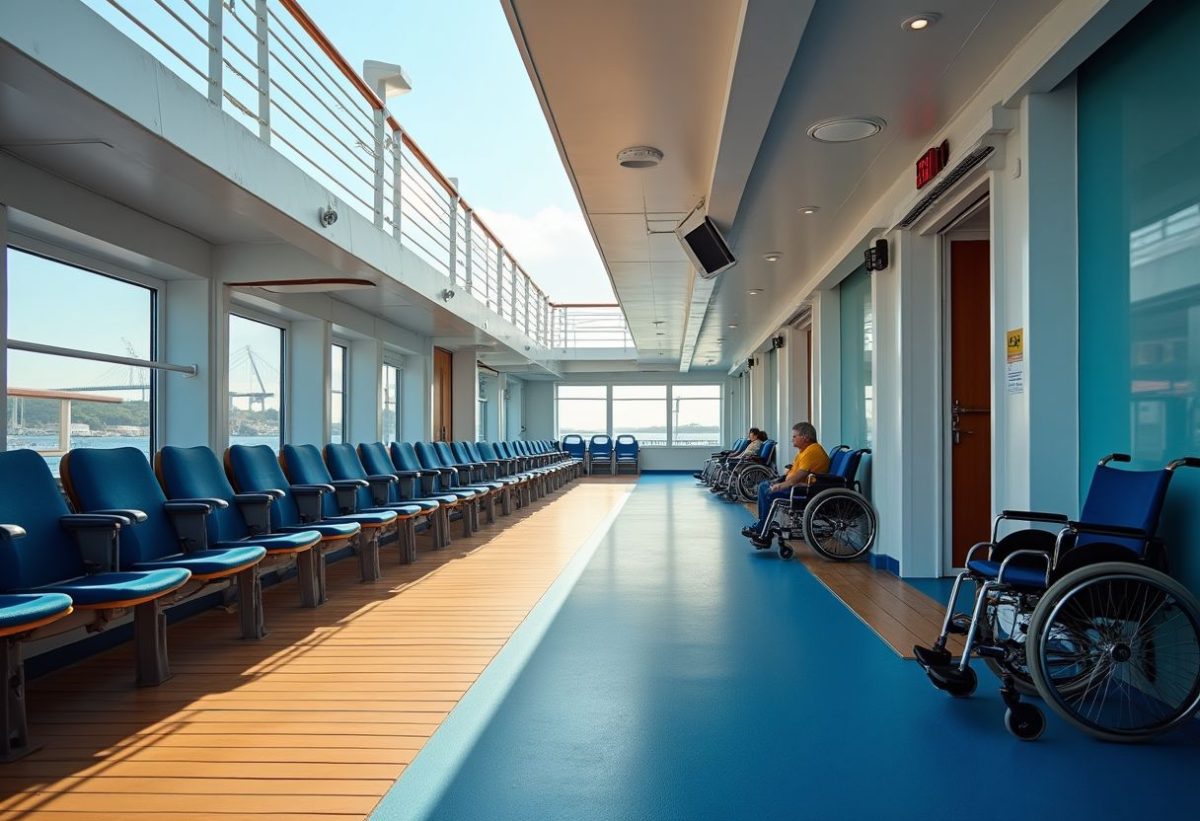
Traveling at sea offers a unique experience where the horizon stretches as far as the eye can see and earthly worries fade away. For people with reduced mobility, the issue of accessibility is central, whether it’s for strolling on the deck, enjoying a show, or savoring a gourmet meal on board. In this context, it is essential to question the adequacy of the activities offered to people with specific needs. Is the cruise industry truly striving to meet the needs of these passengers, or is there still a long way to go to ensure an inclusive experience?
Physical Accessibility of Facilities
The first step to ensuring inclusive activities on board ships lies in the physical accessibility of the facilities. Modern cruise companies have understood the importance of this aspect, implementing suitable infrastructures.
- Ramps and elevators: the presence of ramps and elevators allows wheelchair users to move easily between different decks.
- Theater rooms: designed to offer reserved spaces for people with reduced mobility, these rooms ensure an unobstructed view and optimal comfort.
- Gyms and pools: some facilities, equipped with specific access devices, allow everyone to enjoy aquatic and sports activities.
Cultural and Entertainment Activities
Cruises offer a wide array of cultural and entertainment activities that must be adapted for all passengers, including those with reduced mobility.
The shows organized on board are often adapted, with dedicated spaces for wheelchairs and widened circulation areas. Guided tours and excursions should include accessible itineraries. Some companies, such as croisiere ponant, ensure to offer excursions specifically designed to meet the needs of people with reduced mobility, thus guaranteeing a rewarding and hassle-free experience. Finally, cultural workshops, whether culinary, artistic, or musical, must be designed to be inclusive, allowing every passenger to fully immerse themselves in the proposed activities.
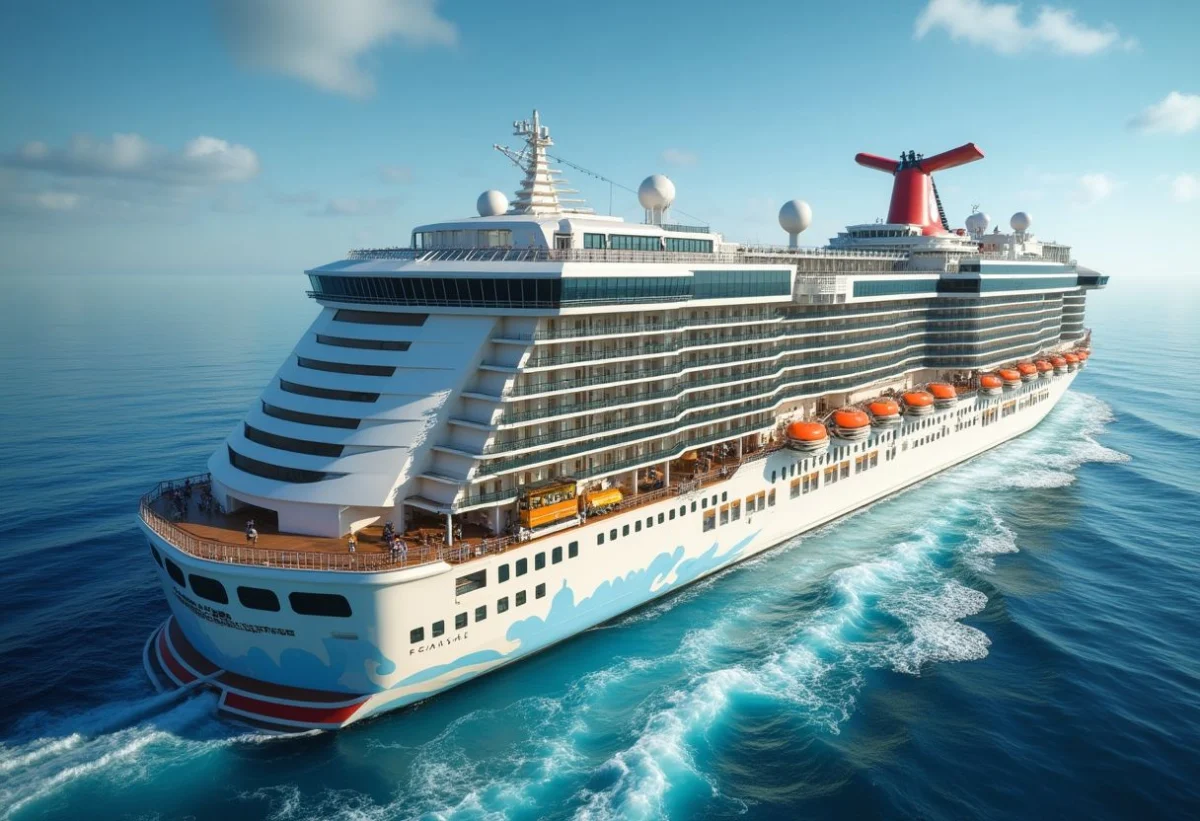
The Role of Onboard Staff
Another crucial aspect of the accessibility of activities on board lies in the training and awareness of the onboard staff. Crew members play a determining role in welcoming and assisting people with reduced mobility.
Specific training allows staff to acquire the necessary skills to adequately respond to passengers’ needs. A caring and proactive attitude from the crew can transform the onboard experience into an unforgettable moment. Furthermore, some staff members are specially trained to assist passengers during excursions, ensuring them a serene and pleasant experience. Companies that invest in training their staff demonstrate a strong commitment to inclusivity.
Technologies for Accessibility
Technological advancements play a significant role in improving the accessibility of activities on board, offering new opportunities for people with reduced mobility to fully enjoy their time at sea.
- Mobile applications: some companies develop special applications to help passengers plan their days according to accessible activities.
- Hearing and visual aids: devices such as amplified headphones or screens with subtitles allow hearing or visually impaired individuals to enjoy shows and conferences.
- Navigation systems: these systems help passengers easily orient themselves on board, even if their mobility is limited.
Today’s cruises strive to offer a rewarding experience to all their passengers, demonstrating innovation and adaptability. Modernized infrastructures, staff involvement, and the judicious use of technologies are positive indicators of the industry’s evolution towards increased accessibility. For people with reduced mobility, these efforts mean not only improved travel conditions but also a true invitation to fully enjoy every moment spent at sea.