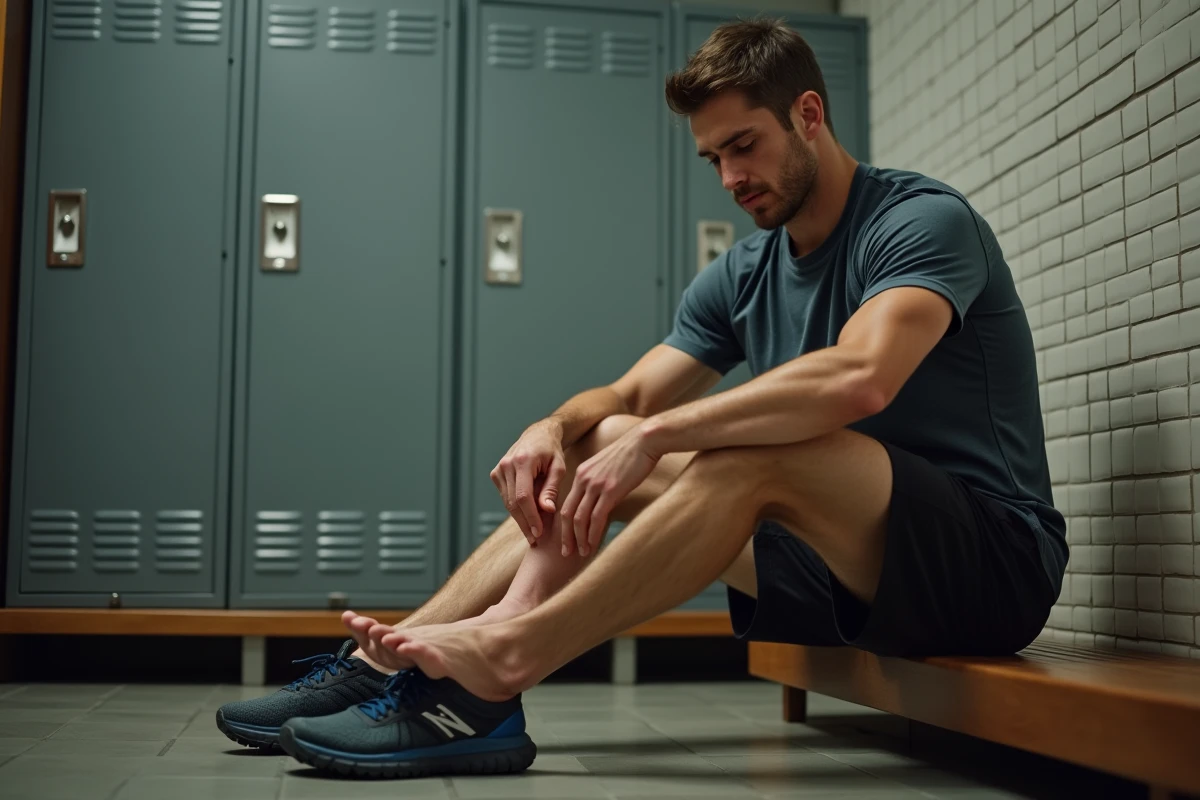
The callus on the feet of athletes is not just a cosmetic issue. It is a biological response of the skin to repeated mechanical stress, and its appearance varies depending on the type of sport practiced, the training volume, and individual biomechanics. Understanding these mechanisms allows for addressing the problem without interrupting physical activity.
Callus on the feet and training load: what the stride reveals
Common discussions about calluses often mention friction in shoes as the main cause. While this explanation is correct, it remains incomplete for regular athletes. The location and thickness of the callus directly depend on the type of mechanical stress.
Long-distance runners and hikers typically develop a thicker callus on the forefoot, without necessarily causing pain. Athletes in pivot sports (football, basketball) tend to have more calluses associated with localized painful hyperpressures, concentrated under the metatarsal heads and around the big toe.
An observational study on amateur runners (Dinsdale et al., Journal of Foot and Ankle Research, 2023) shows that a rapid increase in weekly running volume is more correlated with the appearance of painful calluses than absolute mileage. Abruptly increasing from three to five sessions per week exposes one more than maintaining a stable, even high, volume.
This finding advocates for a very gradual increase in load, including for the health of the skin on the feet. To delve deeper into managing this phenomenon among regular practitioners, one can read on J’améliore ma Santé a file dedicated to prevention strategies compatible with continuing sports.
Orthotics and biomechanical correction for athletes
Preventing calluses in athletes is not limited to choosing the right shoes. Analyzing the stride and foot pressure is an underutilized lever. The French Society of Sports Podiatry (SFPS) reminds in its 2023 recommendations that correcting hyperpressures with orthotics reduces the recurrence of painful calluses in runners.
These custom insoles redistribute loads across the entire foot. In a pronating runner, the callus often concentrates on the inner edge of the forefoot. An appropriate orthotic shifts some of this pressure to the arch, reducing localized skin thickening.
When to consult a sports podiatrist
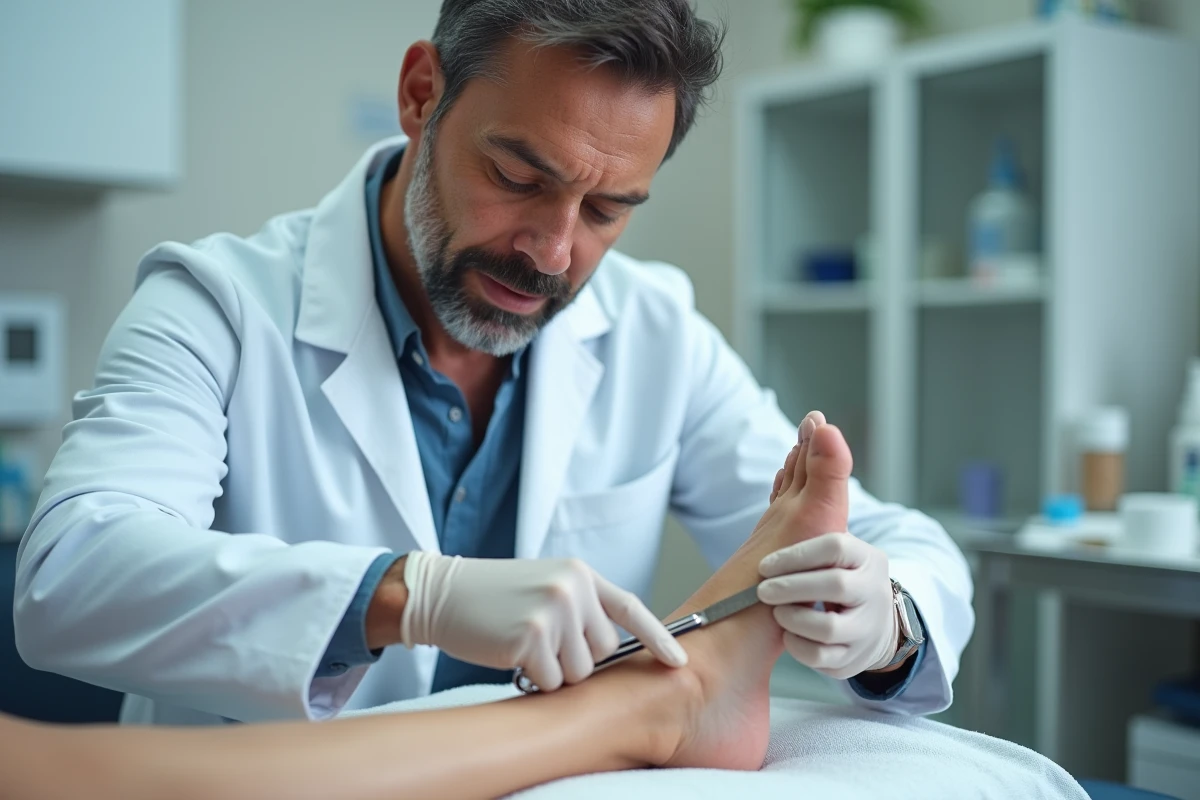
A corn or callus that consistently returns to the same spot despite wearing appropriate shoes indicates an imbalance in pressure. In this case, a podiatric assessment with gait or running analysis can identify the area of overpressure and propose targeted correction.
Field reports vary on the effectiveness timeline of orthotics: some practitioners notice improvement within a few weeks, while others require several months of adjustment. Consistent use during training remains the determining factor.
Foot callus care compatible with daily training
The frequent temptation is to remove all the callus at once, using a rasp or blade. This approach is counterproductive for an active athlete. The callus serves as a defense mechanism for the skin: removing it entirely exposes the foot to pain and injuries during the next session.
The strategy recommended by podiatrists is based on progressive maintenance rather than abrupt removal. Here are the concrete steps to integrate into a weekly routine without interrupting sports:
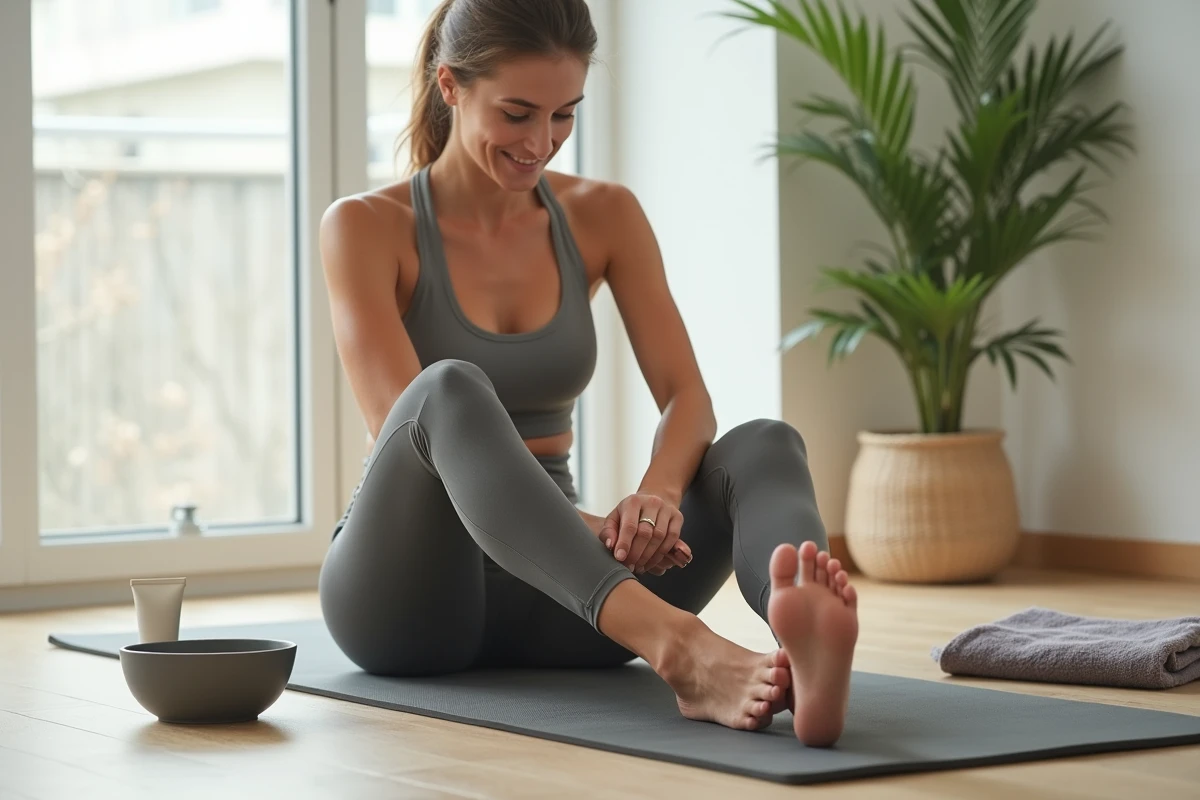
- Soften the callus with a warm foot bath for ten to fifteen minutes, ideally the day before a rest day or a low-intensity session
- Gently file with a pumice stone or foot file, removing only the superficial layer, never down to the pink skin
- Moisturize immediately afterward with a urea-based cream, which promotes cell renewal and maintains skin elasticity
- Protect sensitive areas with hydrocolloid bandages or silicone pads during exertion, to reduce friction without altering biomechanics
Hydration of foot skin: frequency and preferred active ingredients
Daily hydration of the feet remains the most effective and often overlooked preventive measure among athletes. Creams containing high concentrations of urea soften the cornified layer without weakening the skin deeply. Application should be done in the evening, after showering, focusing on friction areas (heel, forefoot, outer edge).
A point of caution: never apply greasy cream just before a session. The greasy film increases foot sliding in the shoe and can worsen friction, producing the opposite effect of what is desired.
Sports shoes and callus prevention: technical criteria
The choice of shoes remains the primary modifiable factor. However, generic advice (“choose shoes that fit”) overlooks technical criteria that truly matter for calluses.
- The width of the toe box should allow for natural toe splay during the propulsion phase, or else corns may form between the toes (morton’s neuroma)
- The drop (difference in height between heel and forefoot) influences the distribution of plantar pressures and can shift the area of callus formation
- Technical socks with flat seams and reinforced areas reduce friction better than high-end shoes worn with cotton socks
Replacing running shoes before visible wear is part of preventive reflexes. The insole loses its cushioning properties long before the outsole shows signs of wear, which alters the pressure zones under the foot.
Managing foot calluses in athletes is a long-term process, requiring regular actions and biomechanical adjustments, not a one-time radical treatment. An appropriate podiatric follow-up based on the type of sport practiced, combined with a simple maintenance routine, allows for training to continue without the skin of the feet becoming a hindrance.