
Transporting a work of art by plane requires mastery of three simultaneous parameters: physical protection against shocks and vibrations, maintaining stable climatic conditions, and compliance with air safety regulations. Each type of artwork (canvas, sculpture, photographic print) reacts differently to the stresses of flight, which excludes any standardized approach.
Security Control and Customs Formalities for a Work of Art by Plane
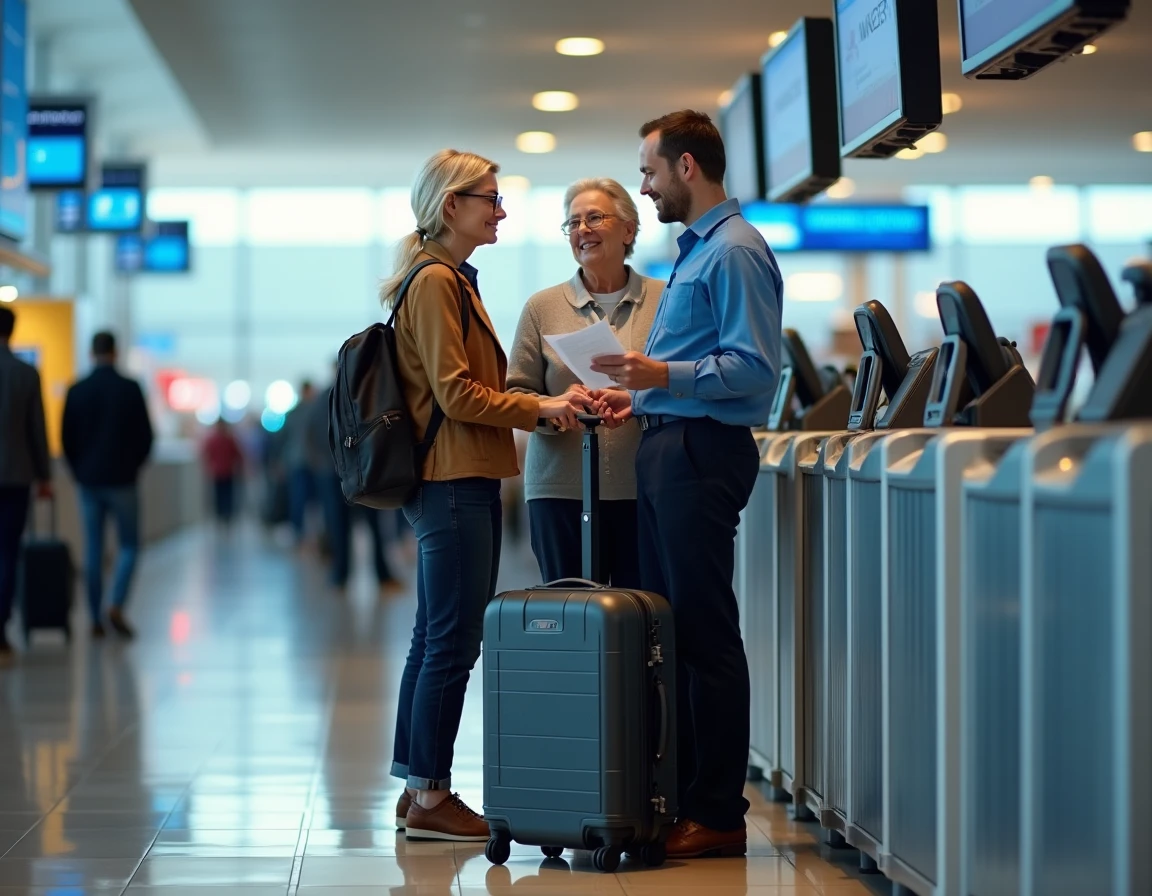
Air safety regulations have tightened in recent years regarding large objects and non-standard packages. A framed painting or a sculpture does not pass through security gates like regular luggage. Prior coordination with the airline, and sometimes with a specialized freight forwarder, determines whether the artwork will travel in the cabin, in the hold, or via freight.
For a small object, cabin transport remains the best option in terms of safety. Most airlines accept an additional cabin bag if its dimensions comply with the imposed limits, but no uniform rule exists. Some airlines require prior declaration, while others require a seat upgrade to secure the artwork next to the passenger.
The customs aspect is often underestimated. For ancient or heritage-value works, a provenance document check may be required both at departure and upon arrival. Purchase invoice, certificate of authenticity, and in some cases, an export permit issued by the Ministry of Culture: these documents must be gathered before departure, not the night before. A forgotten document can lead to the temporary seizure of the artwork at customs.
Several collectors and gallery owners now rely on solutions for transporting works of art by plane that integrate this regulatory dimension from the planning stage of the journey.
Custom Packaging: Materials and Method According to the Type of Artwork
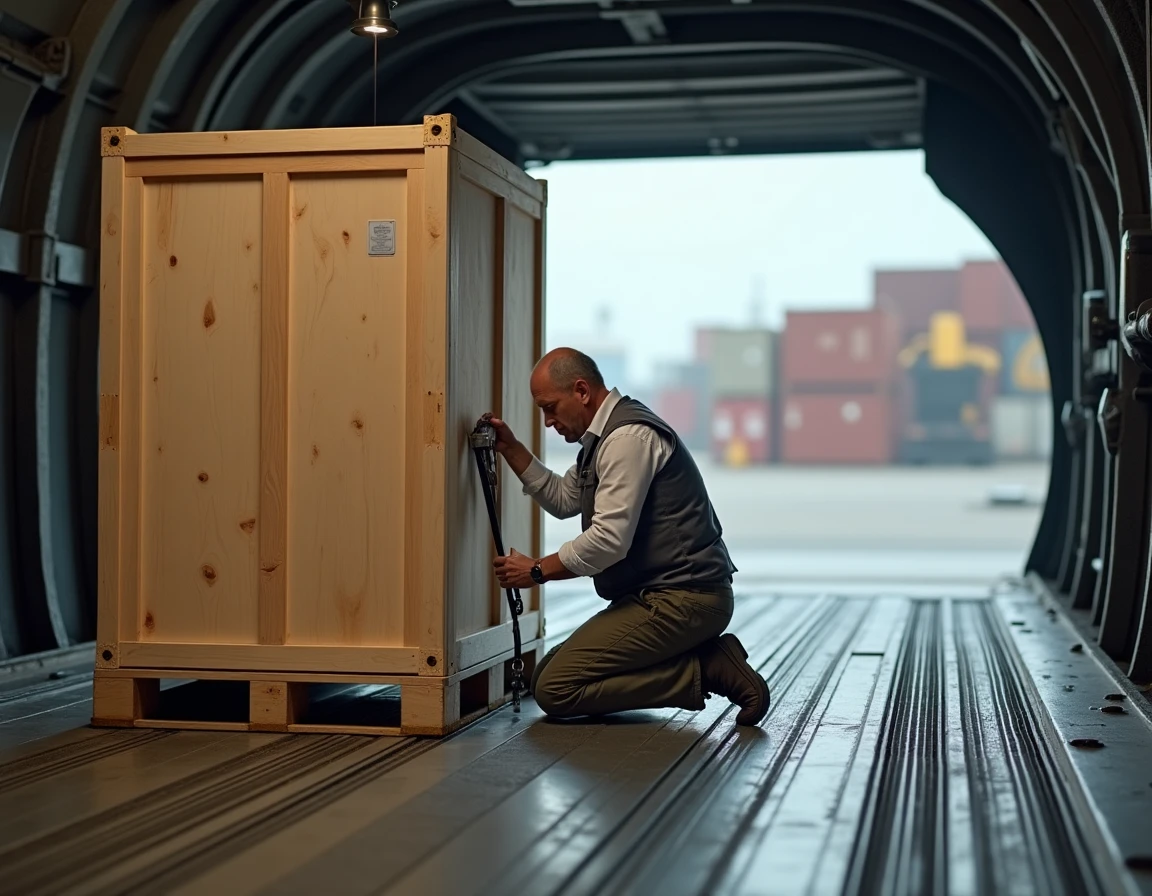
Packaging a work intended to travel by plane is not limited to bubble wrap and cardboard. The phases of taxiing, takeoff, and landing generate low-frequency vibrations capable of damaging a stretched canvas or cracking an old varnish. The protection must absorb these vibrations while immobilizing the artwork in its container.
Framed Paintings and Canvases
The painted surface should never come into direct contact with packaging material. An acid-free tissue paper placed over the painted surface serves as the first layer. Next comes a rigid protection (honeycomb cardboard or polyethylene foam) held in place by tape without aggressive adhesive.
The corners of the frame absorb most of the shocks. Dense foam or folded cardboard corner protectors absorb lateral impacts. For hold transport, a custom wooden crate lined with foam remains the professional standard, sometimes referred to as a “museum crate” in industry jargon.
Sculptures and Three-Dimensional Objects
Internal bracing takes precedence over external packaging. The object must be completely immobilized in its crate, with no residual play. The technique involves cutting high-density foam to the exact profile of the piece, so that forces are evenly distributed in the event of a shock.
- Closed-cell polyethylene foam for primary bracing, moisture-resistant and chemically neutral for the surface of the artwork
- Micro-perforated stretch film around the object to prevent friction without trapping moisture
- Outer crate made of screwed plywood (not nailed) to allow for opening without vibration or hammer shock
Climatic Stability During Flight: Temperature and Humidity
The pressurized hold of a commercial airplane maintains a positive temperature, but the variations between the tarmac, the hold, and the terminal can be drastic. A canvas on a frame expands and contracts with these changes, which weakens the paint layer over the long term.
The conservation chain does not start at boarding. It begins when the artwork leaves its climate-controlled storage and ends upon its installation at the destination. Industry professionals now plan transport in “door-to-door” mode with temperature, humidity, and vibration sensors placed inside the crate.
For an individual, the minimum precaution is to package the artwork in an airtight bag containing a silica gel packet, which regulates relative humidity variations during transit. This simple measure particularly protects paper works, watercolors, and photographic prints, which are especially sensitive to condensation.
Art Transport Insurance: What a Policy Really Covers
Standard travel insurance or baggage coverage from a credit card does not cover the actual value of a work of art. A “nail-to-nail” insurance (from hanging at departure to hanging at arrival) is the standard for pieces of significant value. It covers theft, breakage, weather damage, and losses throughout the duration of transport.
Before subscribing, three points deserve special attention:
- The agreed value, set before departure based on an appraisal or invoice, which determines the compensation amount without dispute in case of a claim
- Exclusions related to packaging deemed insufficient by the insurer, which requires documenting each step of the packing process with photos
- The geographical scope of coverage, with some policies excluding stops in countries at high risk of theft or seizure
Photographing the artwork from all angles before packaging serves both as proof of condition for the insurer and as a reference in case of disputes with the airline. A dated condition report, even written by the owner, significantly strengthens the position in case of a claim.
The cost of specialized insurance generally represents a modest fraction of the value of the artwork. For a piece acquired in a gallery or at auction, asking the seller if they offer transport coverage remains the simplest reflex, as some include this service in their sales conditions.