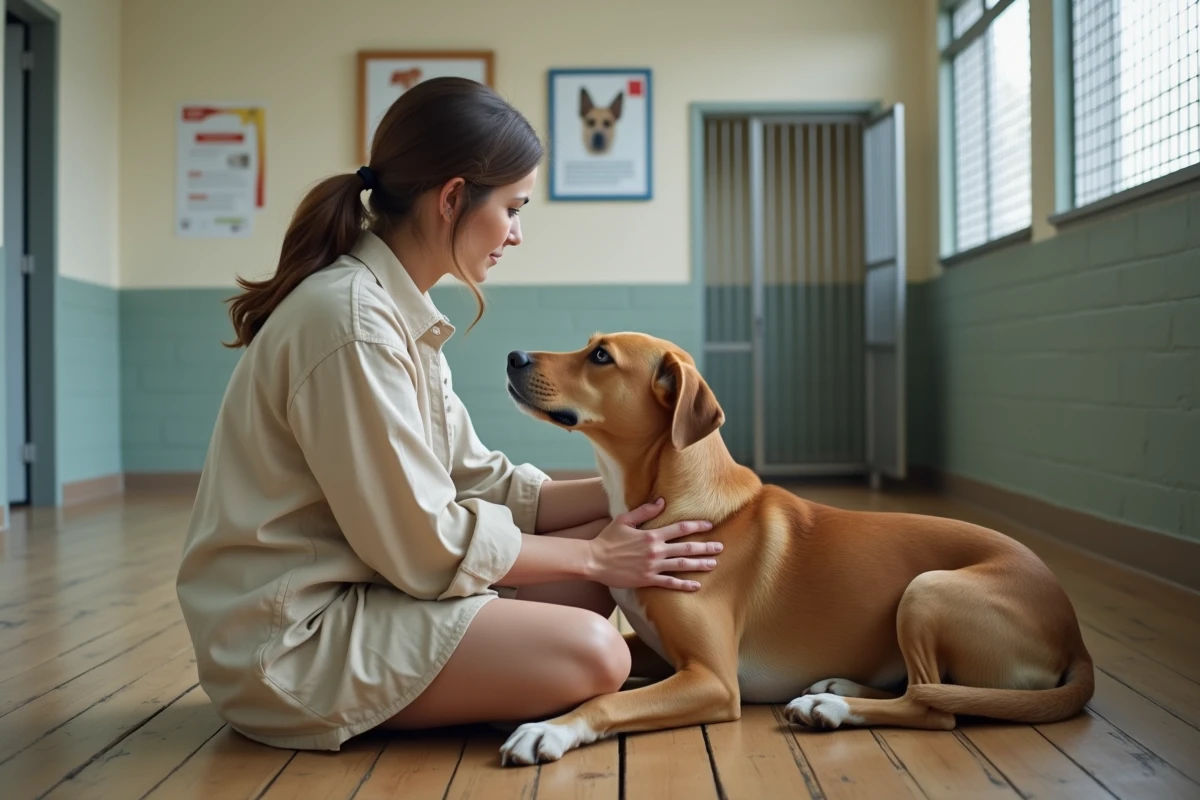
Adopting a dog or a cat is not just about choosing a breed from a photo. Behind every successful adoption, there is concrete preparation, recent legal obligations, and a commitment for several years. Understanding these steps protects both the animal and the adopter.
Commitment and Knowledge Certificate: the document to sign before any adoption
Since the law of November 30, 2021, against animal cruelty, anyone acquiring a pet in France must sign a commitment and knowledge certificate. This document specifies the animal’s needs: adult size, exercise requirements, life expectancy, and foreseeable veterinary costs.
The often misunderstood point: this certificate must be signed at least seven days before the actual acquisition. This reflection period applies equally to purchases from breeders as well as to adoptions from shelters or donations between individuals.
Inspections by the Departmental Directorate for the Protection of Populations have increased since 2023 to verify the application of this measure. A seller or donor who does not provide this document is subject to penalties. As an adopter, ask for it systematically: it is an indicator of seriousness.
Associative structures like WD Car participate in disseminating information about these obligations, helping future owners approach adoption with the right benchmarks.
Impulse purchases online and a wave of post-pandemic abandonments
Have you noticed the increase in puppy ads on social media during the lockdown? This phenomenon has had lasting consequences. Several shelters and SPAs in France have observed a marked increase in the abandonment of animals purchased online during or just after the pandemic since 2023-2024.
The most affected breeds are those considered “trendy”: French bulldogs, Australian shepherds. These dogs, often acquired without consideration of their real needs, end up in shelters a few months after purchase. The gap between the idealized image and daily reality (physical exercise, veterinary care, training) leads to massive returns.
In response to this situation, shelters have tightened their adoption procedures. Interviews are longer, pre-adoption visits are sometimes required, and some applications are denied when the living conditions do not meet the animal’s needs. This filtering, sometimes perceived as restrictive, reduces the risk of second abandonment.
What the shelter checks concretely
- The size of the housing and the presence or absence of an outdoor space, especially for large or active breeds
- The composition of the household: young children, other existing pets, daily time spent at home
- The financial capacity to cover routine veterinary care (vaccination, sterilization, antiparasitics) and unexpected medical expenses
These criteria are not arbitrary. They reflect the most common reasons for abandonment.
Animal welfare on a daily basis: the needs we underestimate
The health of a pet is not limited to visits to the veterinarian. Well-being is based on five fundamental freedoms recognized in animal protection: freedom from hunger and thirst, freedom from discomfort, freedom from pain, freedom to express normal behavior, and freedom from fear and distress.
Why remind these principles? Because the most common shortcomings are rarely intentional. A cat living in an apartment without enrichment (scratching posts, toys, access to heights) develops behavioral issues. A dog left alone for more than eight hours a day can develop severe separation anxiety.
Nutrition and veterinary follow-up
Feeding appropriate to the species, size, and age of the animal remains the primary area of expenditure and prevention. A cat fed exclusively on low-quality kibble has an increased risk of urinary problems. A large breed dog needs specific nutrition during its growth to protect its joints.
Regular veterinary check-ups (at least one annual visit) allow for the detection of pathologies before they become serious. Spaying or neutering reduces the risks of certain cancers and limits unwanted litters that contribute to overpopulation in shelters.
Animal protection in France: the legal framework that has changed
French law recognizes animals as living beings endowed with sensitivity since the amendment of the Civil Code in 2015. The 2021 law against animal cruelty has strengthened this framework with concrete measures.
- Gradual ban on the sale of dogs and cats in pet stores, effective from 2024
- Requirement for a commitment certificate for any transfer of a pet
- Increased criminal penalties for cruelty, with sentences of up to several years in prison in the most serious cases
- Tighter regulation of breeding, with welfare standards and enhanced inspections
These legislative developments reflect a change in society’s view of animal welfare. The protection of pets is no longer just a matter of individual sensitivity: it is a public health issue and a matter of respect for living beings.
Adopting an animal with full knowledge, respecting its physiological and behavioral needs, and following legal obligations: these three pillars form the basis of sustainable cohabitation. The number of abandonments will only decrease under these conditions.